Make an appointment to see A/Prof Raj Gunaratne

Postoperative Care After Carpal Tunnel Release
Smooth and Fast recovery
Pain control
Mild to moderate discomfort is expected for a few days.
Regular paracetamol and an anti-inflammatory is usually sufficient.
Increasing pain, redness, or swelling should be reported.
Elevation is key to help control swelling/throbbing


Dressing and Wound Care
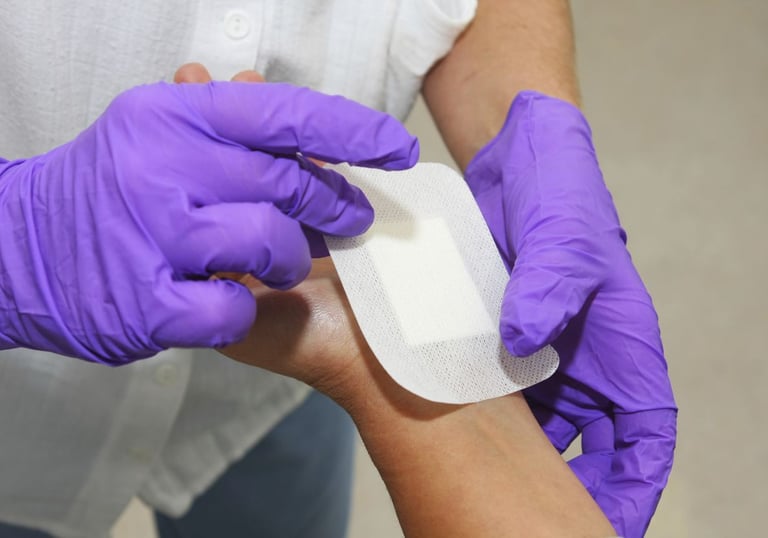
Keep the dressing clean and dry.
The bulky dressing can usually be removed after 3–5 days, unless instructed otherwise.
Keep the wound covered with a light dressing until healed.
Do not soak the wound until stitches are removed or the wound is fully healed.
Stitches are usually removed at 10–14 days in rooms or by GP.
Begin gentle finger and thumb movement immediately.
Light daily activities are encouraged.
Avoid heavy lifting, gripping, or forceful use for 2–3 weeks.
Elevate the hand when resting at least during the first 48 hours to reduce swelling.
Driving may resume when you are comfortable, have good hand control, and are no longer taking strong pain medication. This is approximately at 2 weeks.
Hand Use and Activity

When to Seek Medical Advice
Contact the clinic if you experience:
Increasing pain not relieved by medication
Redness, warmth, discharge, or fever
Worsening numbness or weakness
Concerns about the wound
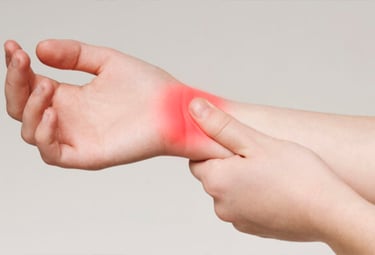
Carpal Tunnel Surgery – What to Expect
Carpal tunnel release is a very common and successful operation. Over 90% of patients are happy with the result and would recommend it to others.
Most patients notice:
Less numbness and tingling
No more night-time “pins and needles”
Better sleep
Gradual improvement in hand function
Most people:
Return to desk work within about 1 week
Return to heavy work within 3–4 weeks
Improve within 3 months
Almost always recover by 12 months
Driving may resume when you are comfortable, have good hand control, and are no longer taking strong pain medication. This is approximately at 2 weeks.
Temporary Palm Pain (“Pillar Pain”)
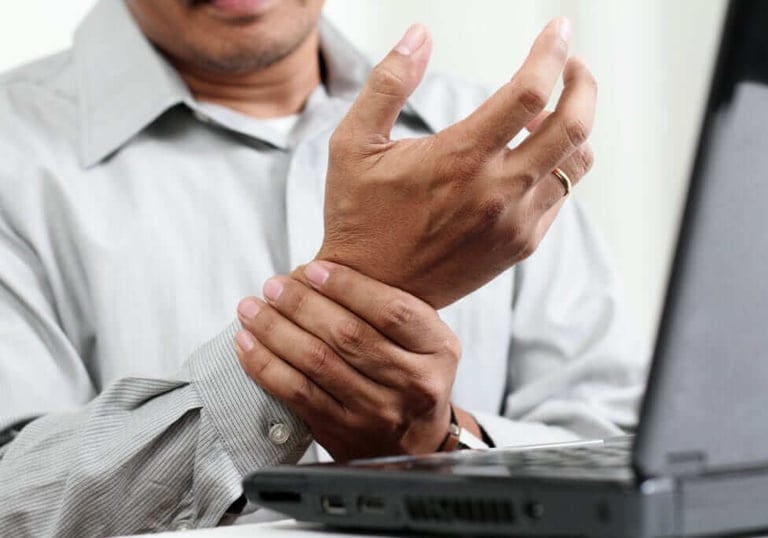
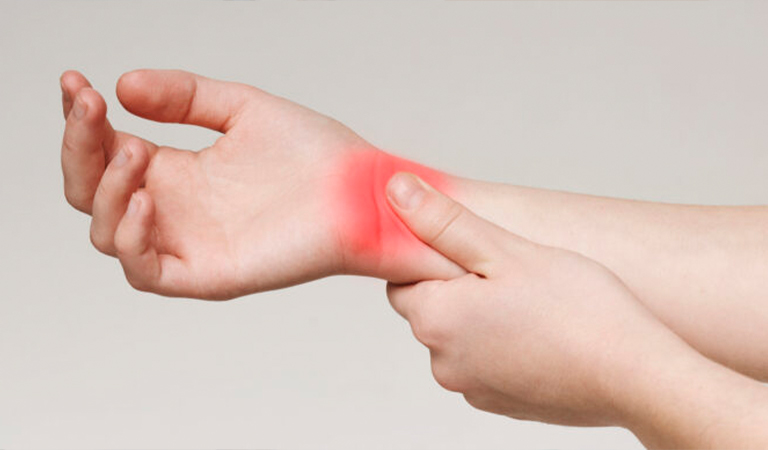
Some patients develop temporary soreness in the palm after surgery. This is called pillar pain.
Felt at the base of the palm, near the thumb or little finger
Worse with pressure, gripping, or pushing
Not dangerous and not permanent
Recovery and Reassurance
Pillar pain improves with time
Using your hand is safe once the wound has healed
Hand therapy may help if pain is persistent
Further surgery is rarely needed
Most patients continue to improve and are pleased with the long-term outcome.




★★★★★
Contact
Same day surgery and review in Joondalup.
Phone: +61 8 6245 5535
E-mail: admin@posc.com.au
Healthlink ID: perthosc
© 2025. All rights reserved.